
Artificial Intelligence powers the core of modern Google Ads. Through machine learning, automation,
and real-time data processing, AI helps advertisers improve targeting accuracy, reduce wasted budget,
and achieve significantly higher ROI. Tools like
ChatGPT
further assist marketers in strategy, research, and optimisation.
Artificial Intelligence is now at the heart of Google Ads. Every bidding strategy, keyword auction,
recommendation, and performance forecast is powered by machine learning.
AI improves the precision, efficiency, and overall profitability of advertising campaigns across all industries.
At Growth Pulse, a
digital marketing agency in Cyprus
,
we use AI-driven strategies to optimise budgets, reduce cost-per-click, and increase conversions.
Combined with strong
SEO services
and targeted campaign planning, AI helps businesses scale their online presence efficiently.
1. Smart Bidding & Automated Optimization
Smart Bidding is one of the most impactful AI features in Google Ads. It uses machine learning to
automatically adjust bids in real time based on the likelihood of conversion.
AI analyses thousands of signals per auction, including:
- User location, device, and browsing behaviour
- Time of day and seasonality
- Historical performance and conversion patterns
- Search intent and keyword context
Smart Bidding strategies such as tROAS, tCPA, and Maximise Conversions allow advertisers to
achieve better results with far less manual work. For businesses seeking consistent lead generation,
these strategies can dramatically improve ROI.
2. Improved Audience Targeting
AI enables Google Ads to deliver ads to users who are most likely to convert.
It examines behaviour patterns, search intent, and user signals across millions of data points.
This produces significantly more accurate targeting, especially in:
- In-Market and Affinity Audiences
- Custom Intent segments
- Remarketing and predictive audiences
- Lookalike audiences based on high-value users
The result is stronger engagement, reduced wasted spend, and higher conversion rates — especially
when combined with a well-structured
Google Ads strategy
.
3. Real-Time Performance Insights
AI continuously analyses campaign performance to detect opportunities, patterns, and potential issues.
These insights help advertisers make faster and more accurate decisions. Benefits include:
- Predictive CTR and conversion estimates
- Recommendations for budget allocation
- Keyword performance forecasting
- Automated alerts for declining performance
This level of transparency allows businesses to respond quickly, ensuring marketing budgets are used
efficiently and strategically.
4. Performance Max & Cross-Channel Intelligence
Performance Max campaigns rely heavily on AI to deliver ads across all Google channels:
Search, Display, YouTube, Discover, Gmail, and Maps.
AI determines the best placements, creative combinations, and bidding strategies based on real-time performance.
- Better audience discovery through machine learning
- Automated creative testing and optimisation
- More efficient budget distribution
- Holistic insights across channels
For many businesses, Performance Max is one of the most effective ways to scale campaigns quickly while
maintaining control over targeting and goals.
5. AI-Enhanced Ads & Creative Optimisation
Google Ads now uses AI to test different combinations of headlines, descriptions, and visuals.
Responsive Search Ads (RSAs) are generated and optimised automatically, ensuring users see the highest-performing variants.
- AI predicts which ad combinations perform best
- Improved ad strength and relevance
- Higher click-through rates
- Better alignment with search intent
AI-driven creative optimisation reduces guesswork and enables continuous improvement in ad performance.
6. The Limits of AI: It Is Only as Good as Your Data
Smart Bidding learns from the conversions you tell it about. If those conversions are wrong, the AI becomes very good at finding the wrong people. This is the most common problem we find when we audit Google Ads accounts in Cyprus.
- In one real estate account, 85 of 145 reported conversions (59%) were simple visits to the contact page, not enquiries. The bidding was optimising for page views. You can read the full real estate Google Ads case study.
- In another account, 26 of 28 “conversions” in 90 days were a “30 seconds on site” timer. Only two were real form submissions.
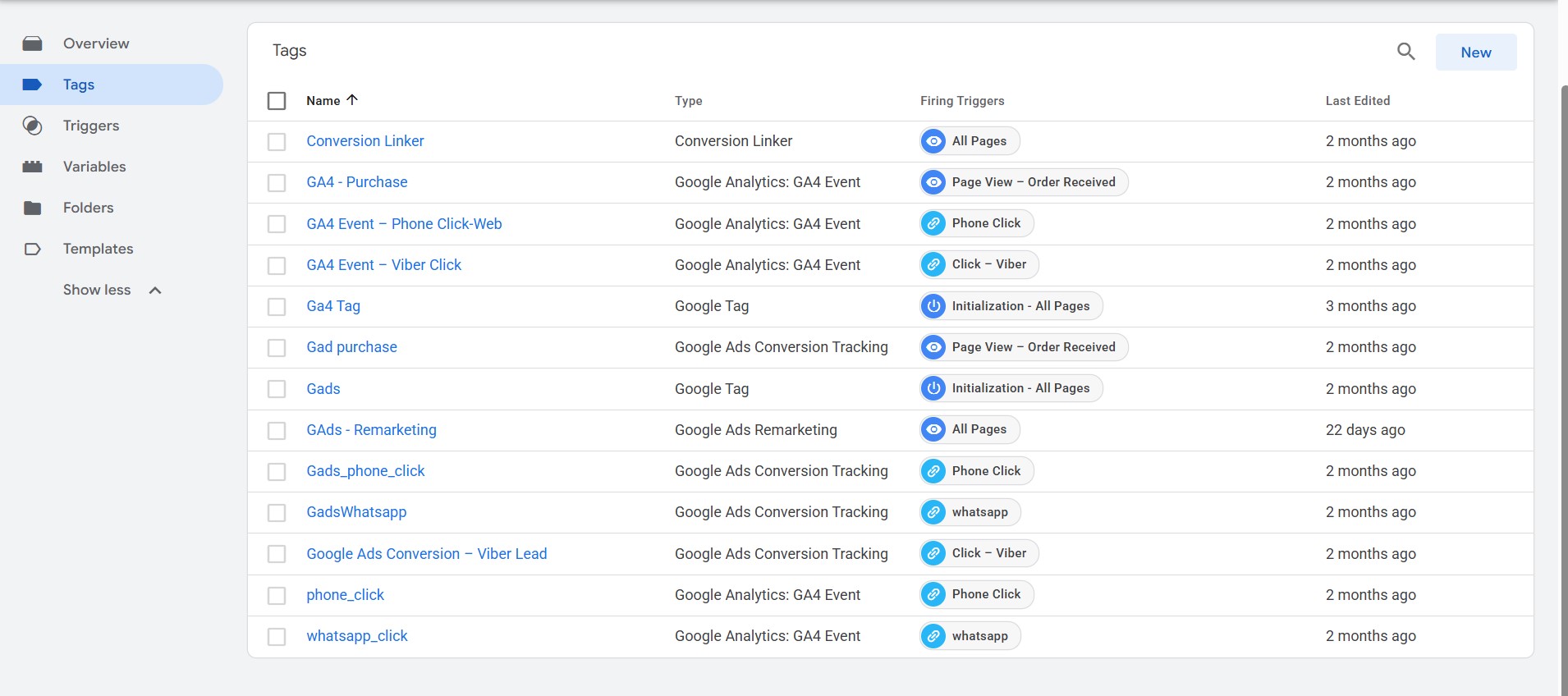
- Phone calls, WhatsApp messages and email clicks were often not tracked at all, even though many customers in Cyprus prefer to call or message.
Before switching to any AI bidding strategy, make sure your primary conversions are real leads. We explain how in our article on
why every Google Ads campaign needs proper tracking.
7. Where AI Wastes Budget, and How to Control It
Automation is powerful, but it needs supervision. These are the leaks we see most often:
- Broad match drifting to competitors. AI-expanded matching can show your ads for competitor names, job searches or unrelated services. Review search terms weekly and add negative keywords.
- Very cheap but useless clicks. In one Performance Max campaign we reviewed, clicks cost only about €0.08 each, but more than 2,000 clicks produced a single lead. Cheap traffic is not good traffic.
- Expensive sectors. In legal, finance and medical services, every click is costly, so tight keyword lists and strong negatives matter even more. See our approach to Google Ads for law firms.
- Brand searches inflating results. Campaigns can take credit for people who were already searching for your business name. Separate brand and non-brand performance.
- Placements and apps. Display and Performance Max can spend on low-quality apps and websites. Check where your ads appear and exclude poor placements.
8. A Practical AI Setup for Small Businesses in Cyprus
- Fix tracking first. Track form submissions, phone clicks, WhatsApp and email as primary conversions. Keep page views and time-on-site as secondary.
- Start simple. With little data, use Maximise Clicks or manual CPC with a tight keyword list and strong negatives.
- Switch to Maximise Conversions once you have steady real conversions, ideally 15 to 30 per month per campaign.
- Add a target CPA later, based on your real cost per lead, not on a guess.
- Review every week: search terms, cost per real lead, and the quality of the enquiries you receive.
This approach lets AI do what it does best, while you keep control of the budget and the quality of the leads. If you would like a second opinion on your account, see our Google Ads management in Cyprus.
Frequently Asked Questions
Is Smart Bidding always better than manual bidding?
No. Smart Bidding needs enough reliable conversion data. For new or small accounts with few conversions, a simpler strategy often performs better at the start.
Should small businesses use Performance Max?
Only when tracking is correct and there is enough budget and data. Without that, Performance Max can spend on cheap, low-quality traffic. Search campaigns are usually the safer first step.
Can ChatGPT write my Google Ads?
It can help with ideas and variations, but every ad should be checked for accuracy, policy compliance and local relevance before it goes live.
How often should an AI-driven campaign be reviewed?
At least weekly for search terms and budget, and monthly for strategy, conversion quality and cost per lead.
About the author: Stavros Christodoulou is the founder of GrowthPulse and a part-time Lecturer in Digital Marketing at Neapolis University Pafos and CDA College. He manages Google Ads accounts for businesses in Cyprus. Updated October 2026.
Conclusion
AI has become essential for achieving strong results in Google Ads.
Through automated bidding, advanced targeting, real-time optimisation, and creative intelligence,
businesses can significantly improve their advertising efficiency and profitability.
To improve your Google Ads strategy and leverage AI-driven optimisation, explore our
digital marketing services
or speak with Growth Pulse — your trusted
digital marketing agency in Cyprus
.