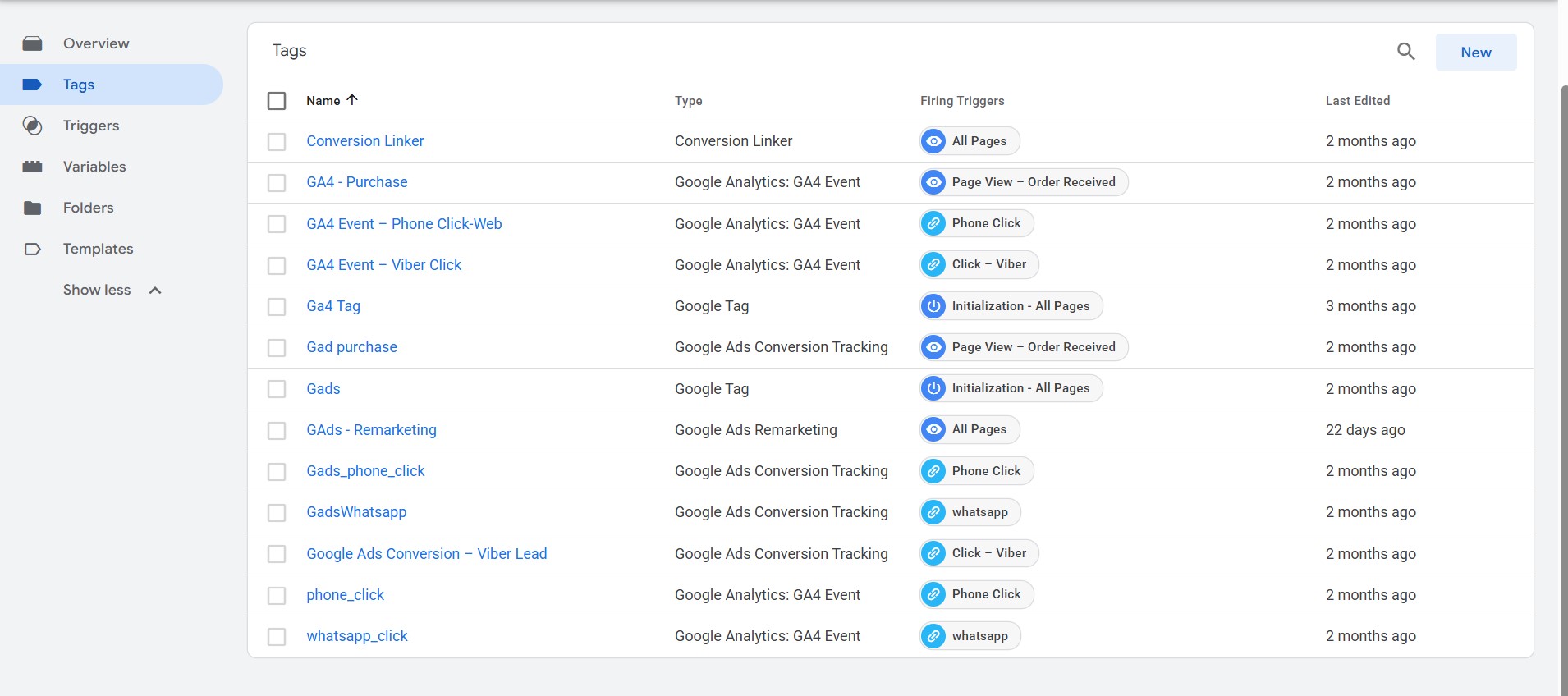
Google Ads can be one of the most effective ways to generate enquiries, phone calls, bookings, and online sales. However, launching a campaign without proper tracking makes it almost impossible to understand whether the advertising investment is producing real business results. Working with a specialised team such as Growth Pulse digital agency can help ensure that campaigns, conversion tracking, and reporting are configured correctly from the beginning.
Many businesses focus on clicks, impressions, and website traffic. Although these
metrics are useful, they do not show whether someone contacted the business,
submitted an enquiry form, called the company, sent a WhatsApp message, or completed
a purchase.
Proper conversion tracking connects advertising activity with meaningful customer
actions. It allows businesses to make informed decisions, improve campaign
performance, and allocate their budget more effectively.
What Is Google Ads Conversion Tracking?
Google Ads conversion tracking is a measurement system that records valuable actions
completed after a user interacts with an advertisement. These actions are known as
conversions.
Depending on the business, a conversion may include:
- Submitting a contact or quotation form
- Calling the business
- Clicking a telephone number on a mobile device
- Starting a WhatsApp conversation
- Sending an email enquiry
- Booking an appointment or hotel room
- Completing an online purchase
- Signing up for a newsletter
- Downloading a brochure or price list
When these actions are tracked correctly, advertisers can identify which campaigns,
keywords, advertisements, audiences, devices, and locations produce the most valuable
results.
Clicks Are Not the Same as Business Results
A campaign may generate hundreds of clicks and still fail to produce qualified leads.
Without conversion tracking, the advertiser may incorrectly assume that the campaign
is successful because the click-through rate is high or the cost per click is low.
For example, one keyword may generate 100 inexpensive clicks without producing a
single enquiry. Another keyword may generate only 20 clicks but produce five qualified
leads. Without tracking, both keywords may appear valuable. With tracking, it becomes
clear where the advertising budget should be allocated.
Businesses looking to improve campaign performance can explore our
professional Google Ads management services
.
Our approach focuses on campaign structure, accurate tracking, continuous optimisation,
and measurable business outcomes.
Proper Tracking Helps Measure Return on Investment
Return on investment cannot be calculated accurately by looking only at website traffic.
Businesses need to know how much they spend and what they receive in return.
If a campaign spends €1,000 and generates 20 qualified leads, the average cost per lead
is €50. If five of those leads become customers and each customer generates €500 in
revenue, the business can begin evaluating the campaign’s financial performance.
Accurate tracking helps answer important questions such as:
- Which campaign generates the most enquiries?
- Which keywords produce qualified customers?
- Which geographic areas deliver better results?
- Do mobile or desktop users convert more frequently?
- Which landing pages have the highest conversion rate?
- What is the actual cost per lead or purchase?
These insights allow businesses to reduce wasted spending and invest more confidently
in the campaigns that produce measurable value.
Google Ads Automation Depends on Accurate Data
Modern Google Ads campaigns rely heavily on automated bidding and machine learning.
Strategies such as Maximise Conversions, Target CPA, Maximise Conversion Value, and
Target ROAS use historical conversion data to determine how much to bid for each
advertising opportunity.
If the conversion data is missing, duplicated, or inaccurate, Google may optimise
towards the wrong actions. For example, counting every page visit as a conversion may
encourage the system to attract visitors rather than potential customers.
Google provides detailed information about setting up measurement in its official
Google Ads conversion tracking guide
.
The quality of automated optimisation depends on the quality of the data provided.
Accurate tracking gives Google stronger signals and improves the likelihood of reaching
users who are more likely to complete valuable actions.
Why Google Tag Manager Is Important
Google Tag Manager is a free tool that allows businesses and marketers to manage
website tracking tags from one central platform. It reduces the need to edit the
website’s source code every time a new tracking event is required.
Through Google Tag Manager, businesses can configure tracking for contact forms,
telephone clicks, WhatsApp buttons, email links, file downloads, video engagement,
booking buttons, and other important interactions.
It can also be used to install and manage Google Analytics 4, Google Ads tags,
remarketing tags, and other marketing pixels.
For additional technical information, visit the official
Google Tag Manager Help Centre
.
Google Tag Manager is extremely useful, but it must be configured carefully.
Incorrect triggers, duplicate tags, and poorly defined events can create misleading
reports and negatively affect campaign optimisation.
Google Analytics 4 and Google Ads Should Work Together
Google Analytics 4 provides information about how users interact with a website after
arriving from different marketing channels. It can show which pages visitors view,
how long they remain engaged, and which actions they complete.
When Google Analytics 4 is connected to Google Ads, selected events can be imported
as conversions. This creates a more complete measurement system and helps advertisers
compare paid search traffic with organic search, social media, direct traffic, and
referral sources.
However, not every event should be classified as a primary conversion. Actions such
as scrolling, viewing a page, or remaining on the website for a few seconds may be
useful for analysis, but they do not necessarily represent a qualified lead.
At
Growth Pulse Digital Marketing Agency
,
tracking is reviewed before campaign optimisation begins. This ensures that decisions
are based on meaningful data rather than surface-level activity.
Common Conversion Tracking Mistakes
Even when tracking has been installed, configuration errors can affect the accuracy
of the reports. Some of the most common mistakes include:
- Counting page views as leads
- Tracking the form button instead of a successful form submission
- Recording the same conversion more than once
- Failing to track mobile telephone clicks
- Not measuring WhatsApp or email enquiries
- Importing unnecessary GA4 events into Google Ads
- Using the wrong counting setting for leads or purchases
- Not testing tags before launching a campaign
- Leaving old or inactive conversion actions as primary goals
- Failing to review tracking after website updates
A tracking setup should always be tested using tools such as Google Tag Manager
Preview Mode, Tag Assistant, Google Analytics DebugView, and Google Ads diagnostics.
What Should Businesses Track?
The correct conversion actions depend on the business model. A hotel may need to track
booking-engine visits, completed reservations, telephone calls, and email enquiries.
A property company may focus on lead forms, WhatsApp conversations, calls, and property
viewing requests.
An e-commerce store should normally track purchases, transaction values, product
information, cart activity, and checkout progress. A service business may focus on
quotation requests, appointments, calls, and qualified contact forms.
The objective is not to track every possible interaction as a conversion. The objective
is to identify actions that demonstrate genuine commercial intent.
Tracking Should Be Audited Regularly
Conversion tracking is not a one-time task. Websites change, forms are replaced,
telephone numbers are updated, landing pages are redesigned, and new advertising
campaigns are introduced.
Tracking should be reviewed whenever significant website changes are made. Regular
audits help identify broken tags, missing events, duplicate conversions, and differences
between Google Ads, Google Analytics 4, and the website’s own records.
Businesses that require assistance can
contact Growth Pulse
for a professional review of their advertising and measurement setup.
Conclusion
Running Google Ads without proper tracking is similar to making business decisions
without knowing the results. Clicks and impressions may show that advertisements are
receiving attention, but they do not confirm that the campaign is generating customers.
Accurate tracking reveals which campaigns, keywords, advertisements, and landing pages
create real value. It supports better budget allocation, improves automated bidding,
reduces wasted advertising spend, and provides a clearer understanding of return on
investment.
Before increasing a Google Ads budget, businesses should confirm that their conversion
tracking is accurate, tested, and aligned with their actual objectives. Reliable data
is the foundation of every successful and scalable Google Ads campaign.
Frequently Asked Questions
Why is conversion tracking important in Google Ads?
Conversion tracking shows which campaigns, keywords, and advertisements generate
valuable actions such as calls, enquiries, bookings, and purchases. It allows
advertisers to measure performance beyond clicks and impressions.
What conversions should a business track?
Businesses should track actions that represent genuine commercial value. These may
include completed purchases, contact forms, quotation requests, telephone calls,
WhatsApp enquiries, appointment bookings, and reservations.
Is Google Tag Manager necessary for Google Ads?
Google Tag Manager is not compulsory, but it makes tracking easier to manage and
update. It allows marketers to configure multiple events and advertising tags from
one central platform.
Can Google Analytics 4 track Google Ads conversions?
Yes. Google Analytics 4 events can be imported into Google Ads after the two
platforms are connected. However, only meaningful business actions should normally
be selected as primary campaign conversions.
How often should conversion tracking be checked?
Tracking should be tested regularly and whenever a website, form, landing page,
booking system, telephone number, or campaign objective changes.
Can incorrect tracking affect campaign performance?
Yes. Incorrect or duplicated conversion data can mislead automated bidding systems,
distort reports, and cause advertising budgets to be allocated towards low-value
traffic.
“`
“`