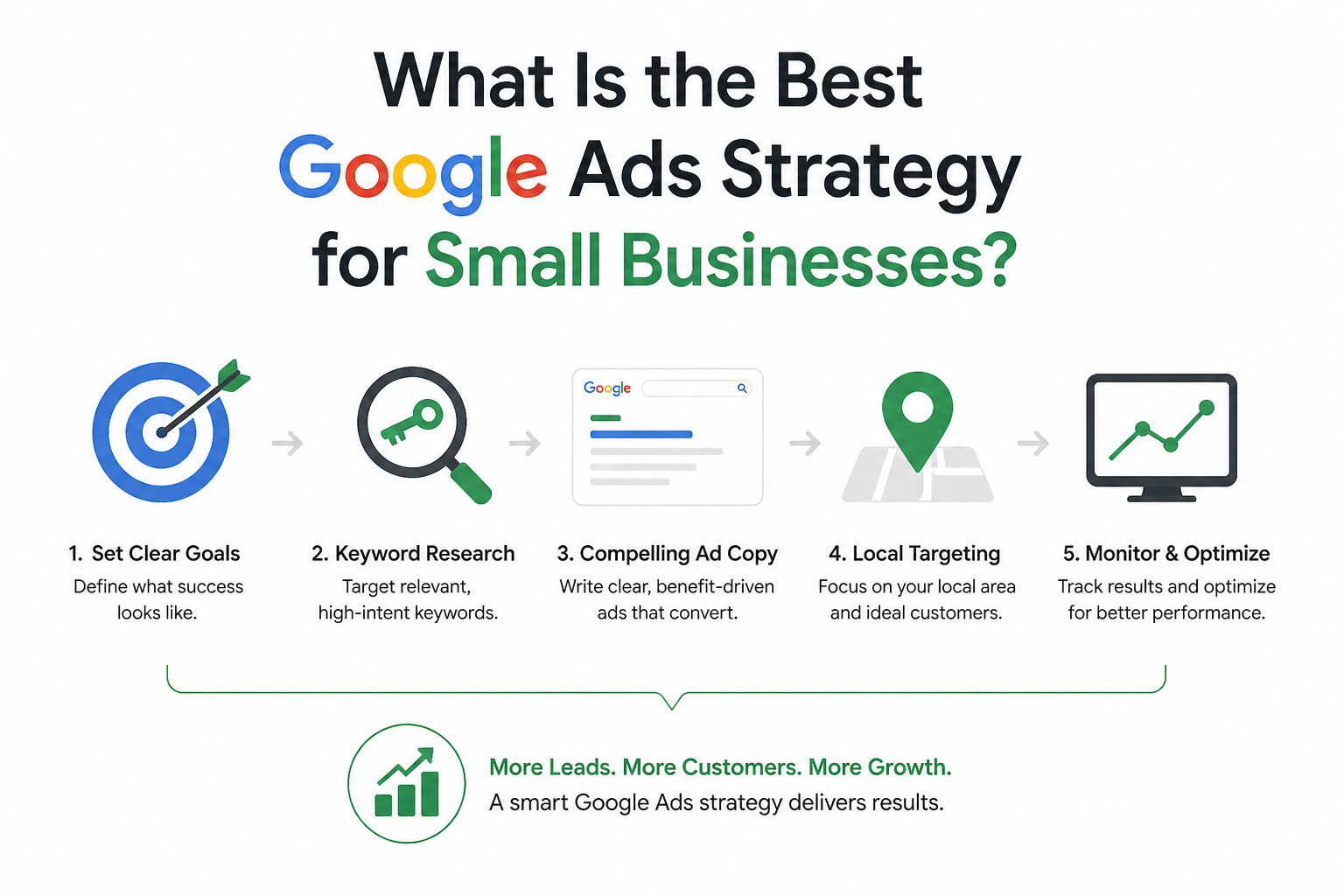
1. Start with High-Intent Keywords
The most effective Google Ads strategy begins with choosing the right keywords. Small businesses should avoid broad and general keywords because they usually attract low-quality traffic and waste budget.
Instead, businesses should focus on specific search terms that show clear buying intent. For example, instead of targeting a general keyword such as “marketing”, a business could target more specific terms such as “Google Ads agency for small businesses” or “Google Ads services for local businesses”.
If your business wants professional campaign setup and management, working with a
Google Ads agency in Cyprus
can help you build campaigns around keywords that are more likely to generate leads.
2. Use a Clear Campaign Structure
A well-structured Google Ads account should not group all services into a single campaign. Instead, each campaign should be designed with a clear objective, dedicated budget, and defined target audience. To better understand how campaigns operate in practice, you can read more about how Google Ads works for businesses in Cyprus.
For example, a small business can create separate campaigns for:
- Main services
- Brand protection
- Local search terms
- Remarketing audiences
- Seasonal offers
This approach improves ad relevance, allows better budget control, and enables more accurate performance tracking and optimization.
This structure helps improve relevance, control budget allocation, and measure performance more accurately.
3. Write Ads That Match Search Intent
Google Ads works best when the ad message matches what the user is searching for. A person searching for “emergency plumbing service near me” needs a different message from someone searching for “affordable plumbing company”.
Good ad copy should include:
- A clear benefit
- The main service keyword
- A strong call-to-action
- Trust signals such as experience, location, or reviews
For example, instead of writing “We Offer Digital Services”, a stronger ad headline would be “Get More Leads with Google Ads”. This is clearer, more direct, and more conversion-focused.
4. Send Traffic to the Right Landing Page
One of the most common mistakes small businesses make is sending Google Ads traffic to a general homepage. In many cases, this reduces conversion rates because users do not immediately see the exact service they searched for.
A better strategy is to send users to a relevant service page or landing page. The page should include:
- A clear headline
- Simple explanation of the service
- Visible contact form or call button
- Trust elements such as reviews or case studies
- Fast loading speed
For businesses that need support with landing pages, SEO, and campaign structure, Growth Pulse provides digital marketing solutions designed to improve online visibility and lead generation.
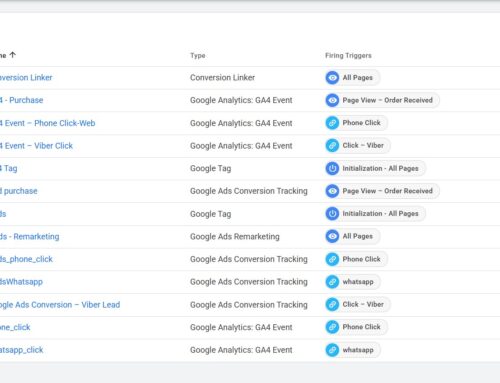
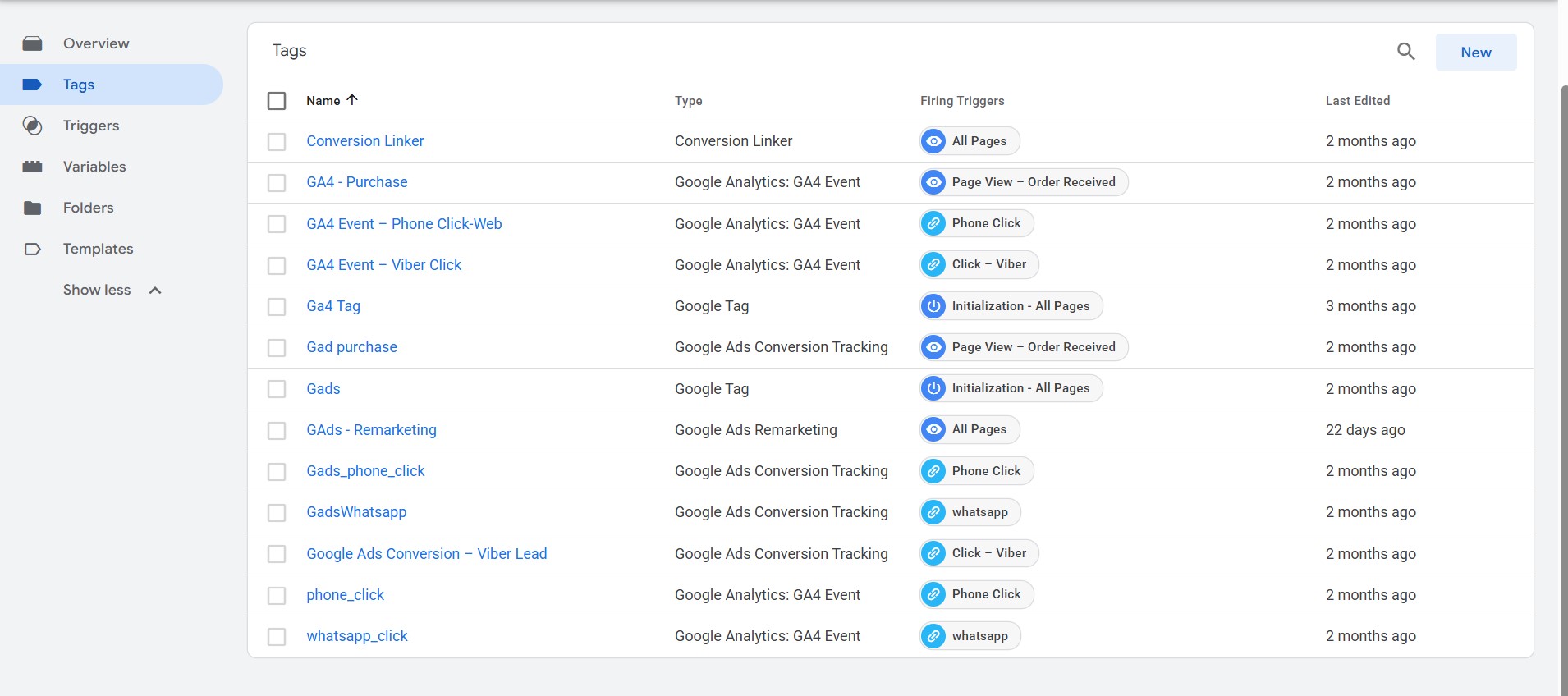
5. Track Conversions Properly
Google Ads should not be judged only by clicks. A campaign may receive many clicks but still fail if those users do not become leads or customers.
Small businesses should track important actions such as:
- Contact form submissions
- Phone calls
- WhatsApp clicks
- Online purchases
- Booking requests
Conversion tracking allows businesses to understand which keywords, ads, and landing pages are actually producing results. This helps reduce wasted budget and improve return on investment.
6. Start with a Controlled Budget
Small businesses do not need to begin with a very large advertising budget. A controlled budget allows the business to test keywords, collect data, and identify what works before scaling.
A smart starting approach is to focus budget on the most important services and locations. Once the campaign starts producing conversions, the budget can be increased gradually.
7. Use Remarketing to Bring Visitors Back
Many users do not contact a business during their first website visit. Remarketing helps bring these visitors back by showing ads to people who have already visited the website.
This strategy is useful because previous visitors already know the brand. As a result, they may be more likely to convert when they see the business again.
Remarketing can work well for:
- Service businesses
- Hotels and tourism companies
- Real estate agencies
- E-commerce stores
- Professional service providers
8. Combine Google Ads with SEO
Google Ads can generate faster results, while SEO helps build long-term organic visibility. For small businesses, the best strategy is often to use both channels together.
Google Ads can bring immediate leads, while SEO reduces long-term dependency on paid traffic. Businesses that also want to improve their organic visibility can explore SEO services in Cyprus to build stronger long-term search performance.
9. Review and Optimize Campaigns Regularly
Google Ads needs regular optimization. A campaign should not be created and then ignored. Performance changes over time because of competition, seasonality, user behavior, and keyword trends.
Regular optimization includes:
- Removing poor-performing keywords
- Adding negative keywords
- Testing new ad copy
- Improving landing pages
- Adjusting budgets based on performance
This continuous improvement process helps small businesses lower costs and increase conversions over time.
10. Learn from Google’s Official Resources
Google also provides useful information for businesses that want to understand how advertising works. You can visit the official
Google Ads platform to learn more about how businesses can advertise on Google Search, YouTube, Display, and other Google networks.
Conclusion
The best Google Ads strategy for small businesses is focused, measurable, and conversion-driven. Small businesses should target high-intent keywords, use a clear campaign structure, write relevant ads, send users to strong landing pages, and track conversions accurately.
When managed correctly, Google Ads can help small businesses generate qualified leads, increase sales, and grow with better control over their advertising budget.
For businesses that want expert support, professional Google Ads services can help improve campaign performance and create a stronger digital marketing strategy.
To strengthen your results, you can also explore how businesses improve their local visibility strategy through Google Maps and develop acomplete digital marketing strategy for long-term growth.
Businesses that invest in digital marketing strategies early can build a significant competitive advantage in 2026. From SEO and Google Ads to remarketing and conversion optimization, the right strategy can help attract qualified traffic and increase long-term revenue.
To explore more strategies and practical tips, visit our latest guide:Increase Online Sales in Cyprus in 2026.