
Running a successful PPC campaign in Poland requires a combination of strategic planning, local knowledge, and continuous optimization. In this article, we break down nine essential steps to launching effective Google Ads Services in Poland that convert clicks into leads.
1. Understand Your Audience
Begin by researching the behavior and intent of Polish users. Identify their search habits, preferred language (Polish or English), regional interests, and buying behavior. Tailoring your message to the local audience is key when implementing Google Ads Services in Poland.
2. Use the Right Keywords
Focus on Exact Match and localized keywords to reach users who are ready to take action. Avoid wasting budget with broad or irrelevant queries by building a solid negative keyword list as well.
3. Create Locally Relevant Ad Copy
Your headlines and descriptions should be clear, persuasive, and relevant to Polish consumers. Mention city names, local offers, or time-sensitive promotions to increase click-through rates and improve your campaign’s quality score.
4. Optimize Your Landing Pages
Ensure your landing pages are fast, mobile-friendly, and match the intent of your ads. Include strong calls-to-action, contact forms, and clear messaging aligned with your Polish campaign objectives. A strong landing page is a key element in successful Google Ads Services in Poland.
5. Monitor and Improve Performance
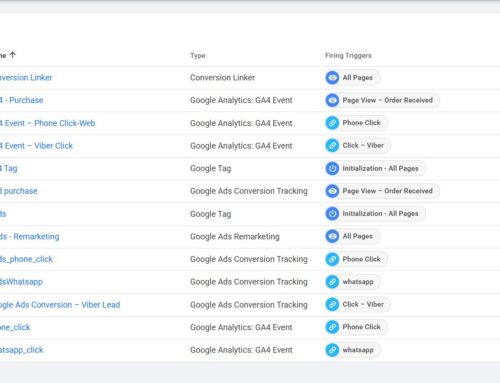
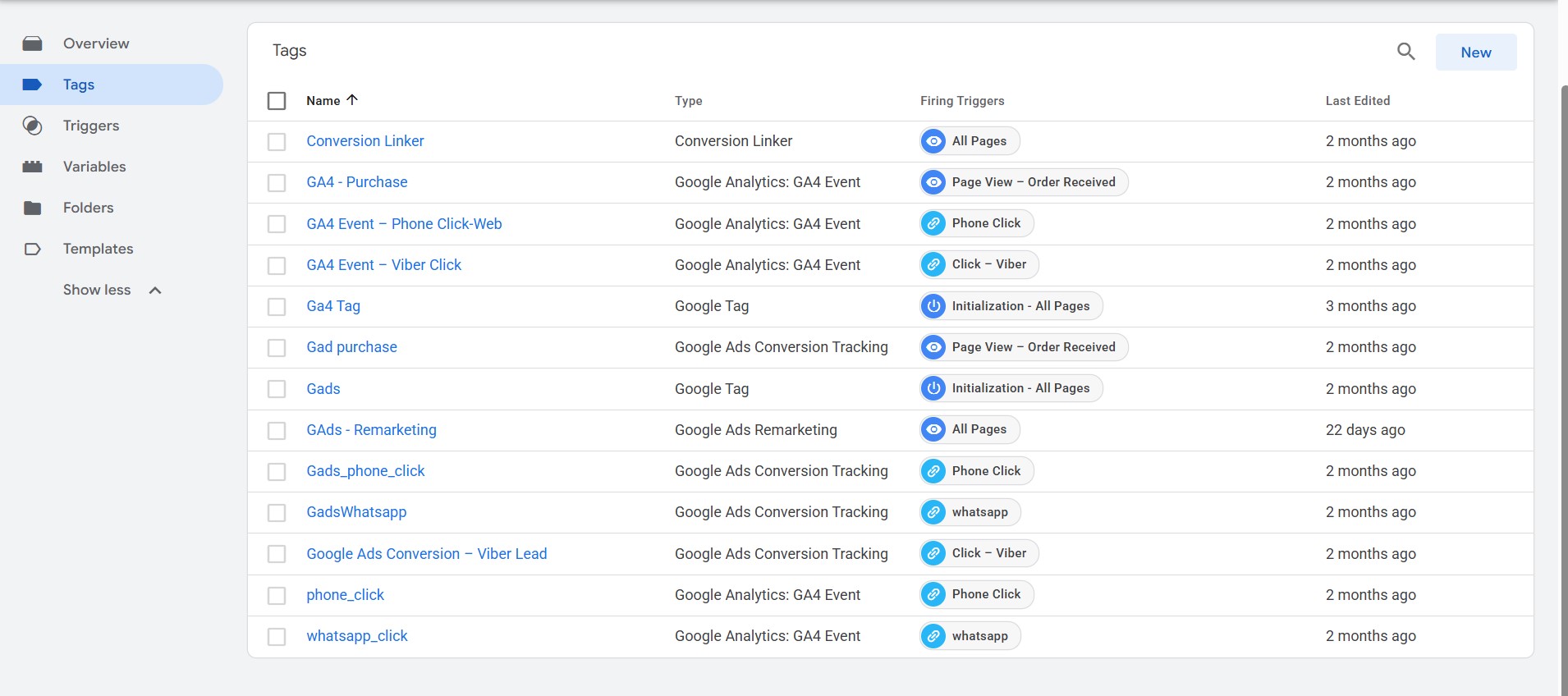
Use Google Tag Manager and GA4 to track leads or conversions. Regularly review metrics such as cost-per-click, conversion rate, and quality score to identify areas for improvement and scale your campaign effectively.
6. Cover Polish Word Forms
Polish is a highly inflected language, so the same search appears in many forms, for example “agencja reklamowa Warszawa” and “agencji reklamowej w Warszawie”. Use phrase and exact match keywords for the main variations, and check the search terms report every week to find new forms and irrelevant searches.
7. Target Cities Separately
Competition and costs per click are very different in Warsaw, Kraków, Wrocław, Poznań, Gdańsk and smaller cities. Separate campaigns or ad groups per city give you control over budget and let you mention the city in your ads, which usually improves click-through rate.
8. Choose Budget and Bidding Carefully
Start with manual CPC or Maximise Clicks and a tight keyword list while you collect data. Move to Maximise Conversions only when you have steady, real conversions, and add a target CPA later based on your actual cost per lead. Campaigns can be billed in Polish złoty or euro.
9. Combine PPC with Content in Polish
Google Ads brings quick results, but it works even better with useful Polish content on your website. Search term data from your campaigns shows which questions Polish customers ask, which you can then answer in blog articles and service pages to build organic traffic over time.
Common Mistakes in Polish PPC Campaigns
- Sending Polish users to an English landing page.
- Using only one grammatical form of each keyword.
- Running broad match without negative keywords.
- Counting page views as conversions instead of real enquiries.
- Using one national campaign when costs differ a lot by city.
Frequently Asked Questions
How much does a PPC campaign in Poland cost?
It depends on the industry and cities. Start with a budget that brings enough clicks to test your main keywords for four to six weeks, then scale what works.
Should ads be in Polish or English?
For Polish customers, in Polish. English ads make sense only if you target international or English-speaking audiences in Poland.
How quickly will I see results?
Ads can bring traffic on the first day. Reliable optimisation data usually needs two to four weeks.
If you’re looking for expert support to manage your PPC efforts, explore our Google Ads Services in Poland. We specialize in delivering measurable results through localized, data-driven campaigns for European businesses.
Our digital marketing services in Poland help businesses enhance their online presence and increase qualified traffic through targeted strategies.
Updated October 2026 by Stavros Christodoulou, founder of GrowthPulse.