
When investing in digital marketing, one of the biggest questions every business faces is: How much should I spend on PPC advertising? Getting your budget right can mean the difference between wasted clicks and measurable growth. This guide explains the essentials of PPC budgeting and how you can align your spend with your business goals.
Why PPC Budgeting Matters
- Control over costs – You decide exactly how much to spend daily or monthly.
- Flexibility – Budgets can be adjusted at any time depending on results.
- Growth potential – A well-structured PPC budget helps generate consistent leads.
Without a clear budget strategy, campaigns risk overspending or failing to capture enough traffic to make an impact.
Key Factors in Setting a PPC Budget
- Business objectives – Are you aiming for leads, sales, or brand awareness?
- Industry benchmarks – Some industries have higher average CPC (cost per click) than others.
- Geographic targeting – Costs differ between global, European, and Cyprus-specific markets.
- Conversion value – Know how much a lead or sale is worth to determine how much you can afford per click.
Step-by-Step PPC Budgeting Strategy
- Start small, scale fast – Begin with a modest daily budget to test campaigns.
- Use data, not guesses – Let metrics such as CTR, CPC, and conversion rate guide adjustments.
- Focus on ROI – Spending €500/month is only effective if it brings back more in profit.
- Allocate by campaign – Divide budget between branded, competitor, and remarketing campaigns.
Common PPC Budgeting Mistakes
- Setting the same budget for all campaigns without considering performance.
- Ignoring seasonality (e.g., higher ad spend may be required during summer or holidays).
- Focusing on clicks instead of conversions.
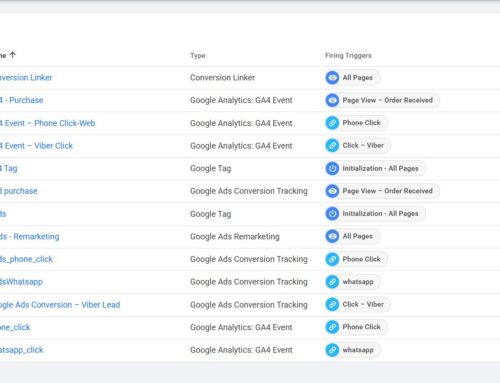
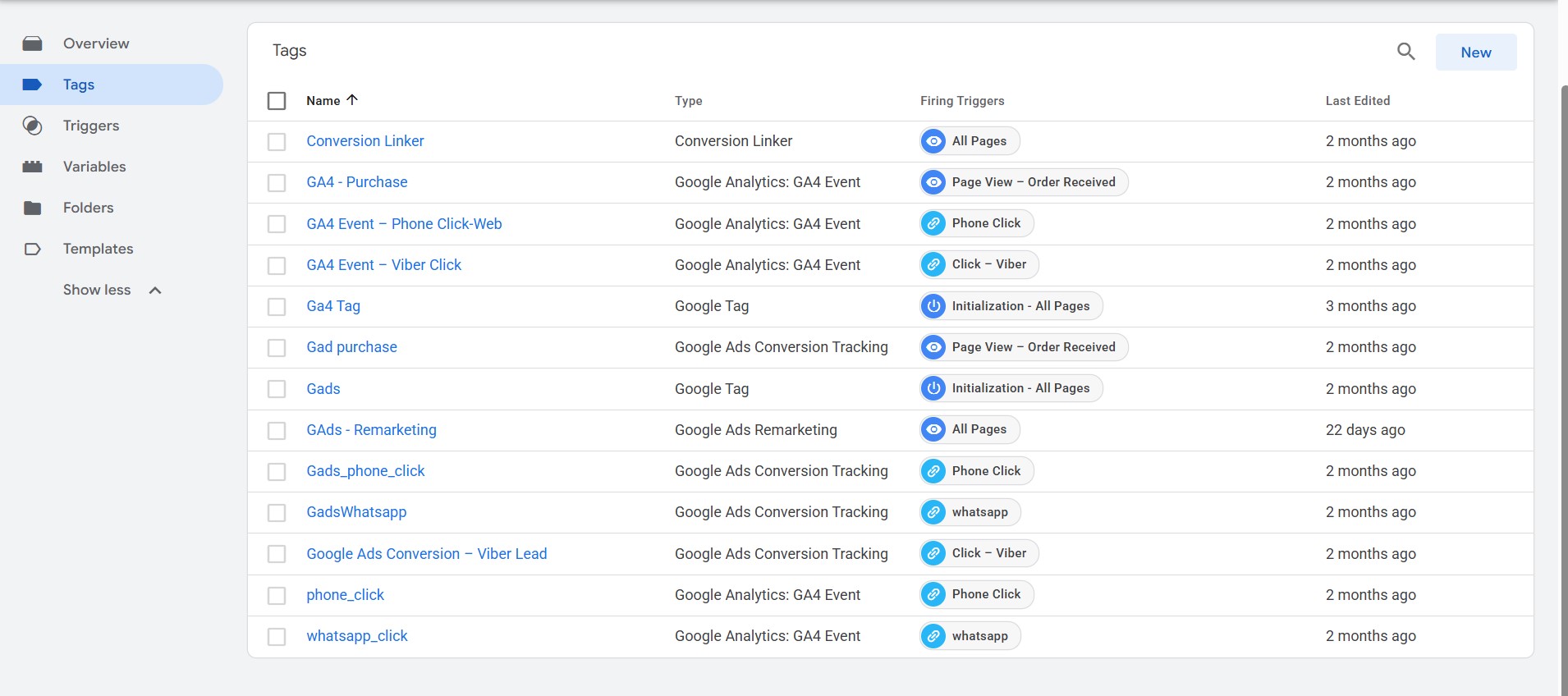
- Not tracking results through Google Analytics and conversion tracking.
Final Thoughts
Effective PPC budgeting is not about spending more, but about spending smart. When campaigns are well-structured, every euro invested brings measurable returns.
If your company is looking for expert guidance, explore our Google Ads management services in Cyprus to see how professional management can optimize both budget and performance.
How to Calculate Your Google Ads Budget: A Simple Formula
Instead of choosing a random number, work backwards from the number of enquiries you want. You need three figures:
- Average cost per click (CPC) for your keywords. You can find an estimate in the Google Ads Keyword Planner.
- Conversion rate of your landing page: the percentage of visitors who call, send a form or message you.
- Number of leads you want per month.
Monthly budget = number of leads × (CPC ÷ conversion rate)
Example with hypothetical numbers: if the average CPC is €1.50 and 5% of visitors become leads, each lead costs about €30. For 20 leads per month, you need roughly €600 per month in ad spend.
Then compare the cost per lead with what a customer is worth to you. If one customer brings €1,000 in profit and you close one out of five leads, you can afford up to €200 per lead and still be profitable.
Budget Allocation: A Practical Starting Point
| Campaign | Role | Budget priority |
|---|---|---|
| Search: core services | People actively looking for what you offer | Highest: usually most of the budget |
| Search: brand | Protects your name from competitors | Small, usually low cost |
| Remarketing | Brings back visitors who did not contact you | Small, after you have enough traffic |
| Performance Max / Display | Extra reach | Only when tracking is correct and Search is profitable |
The Hidden Budget Killer: Wrong Conversion Tracking
Many budgets are wasted not because they are too small, but because Google is optimising for the wrong goal. In our audits in Cyprus we regularly find "conversions" that are not leads at all, such as visits to the contact page or a "30 seconds on site" timer. When these count as primary conversions, smart bidding spends your budget to get more page views, not more customers.
Before increasing any budget, make sure only real leads (forms, phone calls, WhatsApp and email clicks) are primary conversions. Read more in why every Google Ads campaign needs proper tracking.
When to Increase or Decrease Your Budget
- Increase when your cost per real lead is below target and campaigns are "limited by budget".
- Keep steady while a new campaign or bidding strategy is still learning (usually the first two to three weeks).
- Decrease or restructure when the cost per lead keeps rising and the search terms report shows irrelevant searches.
- Plan for seasonality: tourism, rentals and hospitality in Cyprus usually need more budget before and during the summer season.
Frequently Asked Questions
What is the minimum Google Ads budget for a small business in Cyprus?
It depends on your keywords and goals. Use the formula above: the budget should be enough to get a meaningful number of clicks every day. A very small budget spread across many keywords rarely produces useful data.
Should I set a daily or monthly budget?
Google Ads uses an average daily budget. On some days it can spend more, but over a month it will not charge more than the daily budget multiplied by about 30.4.
How long before I know if my budget works?
Give a new campaign at least three to four weeks, then judge it on cost per real lead, not on clicks or impressions.
About the author: Stavros Christodoulou is the founder of GrowthPulse and a part-time Lecturer in Digital Marketing at Neapolis University Pafos and CDA College. He manages Google Ads accounts for businesses in Cyprus. Updated October 2026. Related: how to choose the right Google Ads strategy.